All payments made in the preview are in test mode. Read more

Pregnancy training

Pregnancy safe workouts, trimester by trimester.

A pregnant body changes every few weeks, so a plan that looks the same in week 8 and week 34 was never written for you. Here is what to train, what to modify and what to drop in each trimester.

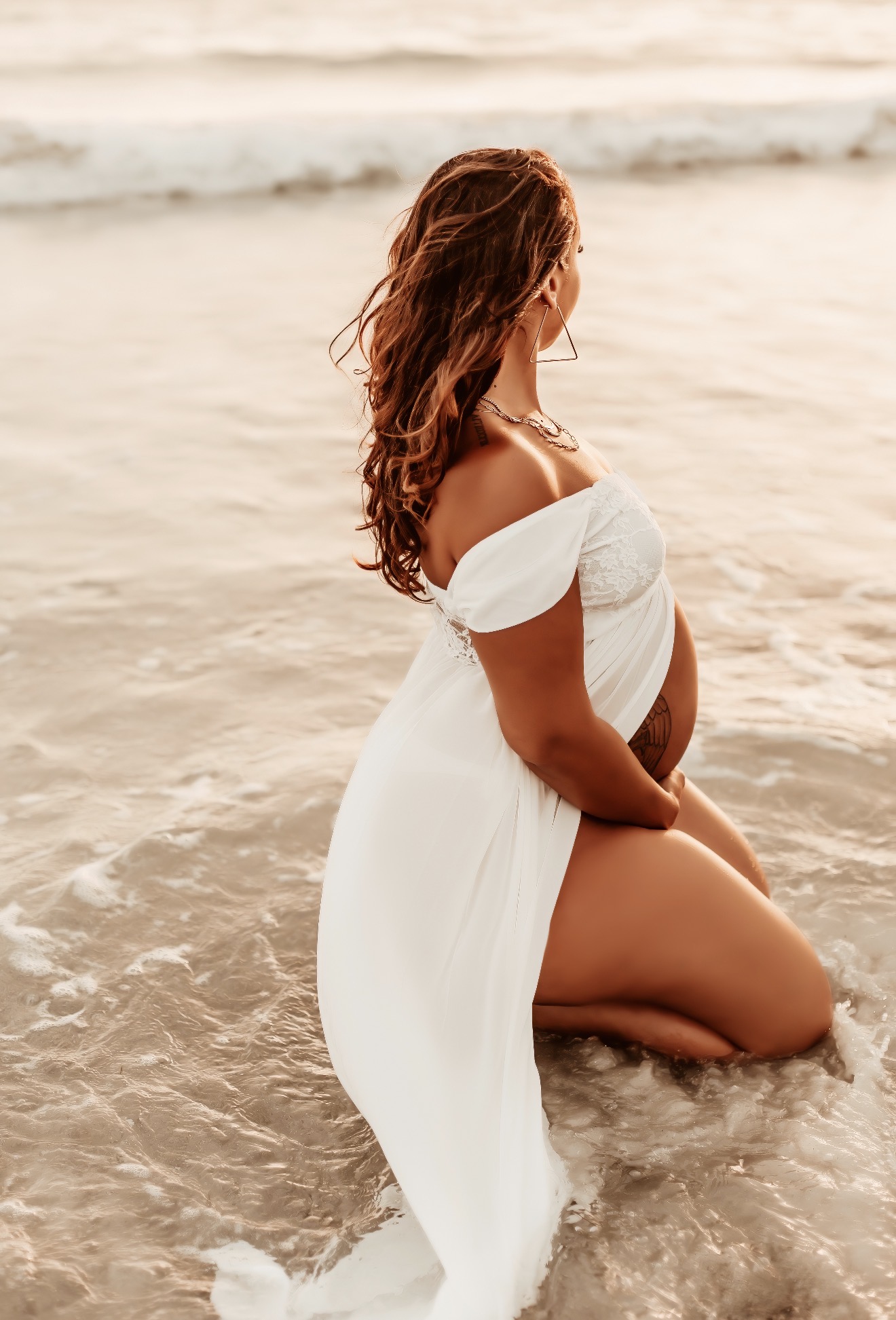
LabellaBeast founder training through her own pregnancy

First trimester, protect the habit

Fatigue and nausea do more to derail training than anything physical. The goal is not progress, it is presence: short sessions you can actually complete on a bad day.

  • Full-body strength two to four times a week at moderate effort
  • Learn 360-degree breathing now, you will use it for the next nine months
  • Walking and easy conditioning over hard intervals
  • Shorter 20-minute session options for nausea days

Second trimester, your building window

Energy usually returns and the bump is not yet limiting. This is where you build the glute, back and deep core strength that carries you through the third trimester and into recovery.

  • Hip hinges, split squats, rows and presses with real load
  • Swap flat-on-back work for incline or side-lying variations
  • Anti-rotation core instead of crunches and sit-ups
  • Hip and thoracic mobility to keep up with a changing posture

Third trimester, prepare for the event

Load comes down, coordination goes up. Sessions shift toward positional strength, pelvic floor control and the breathing mechanics you use during labor.

  • Supported squats, carries and single-leg balance for stability
  • Pelvic floor relaxation training, not just contraction
  • Labor positions and breath pacing practice
  • Pelvic girdle pain modifications for every movement

Eating for two, honestly

The included meal guide covers realistic calorie increases by trimester, protein and iron targets, foods that help with nausea and reflux, and what to keep off the plate, without turning pregnancy into a diet.

Common questions

Is it safe to exercise while pregnant?

For most uncomplicated pregnancies, yes, current guidance encourages regular moderate activity throughout. What changes is how you train: your center of mass shifts, your abdominal wall lengthens and your pelvic floor takes more load each week. Clear your plan with your provider, especially with bleeding, placenta previa, preeclampsia or a history of preterm labor.

What exercises should I avoid during pregnancy?

Avoid anything with fall or contact risk, prolonged flat-on-your-back work in later pregnancy, breath-holding under heavy load, and deep flexion work such as crunches or sit-ups once your bump grows. Every one of these has a listed alternative in Bloom rather than a blanket ban.

Can I lift weights while pregnant?

Yes, if you were lifting before and you adjust. Keep effort moderate, breathe out on exertion instead of bracing hard, and swap loading patterns as your bump changes leverage. Building strength now makes carrying a bump and recovering afterwards materially easier.

How does training change by trimester?

First trimester is about maintaining habits through fatigue and nausea. Second trimester is your building window, most women feel best here. Third trimester shifts toward mobility, pelvic floor coordination, positional strength and birth preparation.

Does training help with labor and recovery?

Conditioned women generally tolerate the physical demands of labor better and start postpartum recovery from a stronger baseline. Breath and pelvic floor coordination practised now is the same skill used during pushing.

The Pregnancy Program

Bloom

Train through pregnancy with strength, not fear. 12 weeks, 4 sessions / week · 30 to 40 min, with The Bloom Table included.

See Bloom, $89