The Pelvic Health Program
Roots
A pelvic floor that works, not just one that squeezes.
A pelvic floor problem is rarely a weak pelvic floor. It's a coordination problem: muscles that can't relax, a diaphragm that isn't syncing, glutes that quit, and pressure with nowhere to go. Roots trains the whole canister, breath, deep core, glutes, feet, so the floor stops working alone. Kegels are one tool in eight weeks of work, not the program.
- Length
- 8 weeks
- Sessions
- 4 short sessions / week · 15 to 25 min
- Built for
- Any woman with leaking, heaviness, pain or no confidence in her core
- Equipment
- Mat, small ball or pillow, resistance band
12 weeks is $119, less per week than two eight week blocks.
One time payment · instant access · 14 day refund window

What you get
Everything arrives at once. Nothing is drip fed, nothing is held back for a second purchase, and the nutrition guide is one tick at checkout if you want it.
Before you start
This is educational coaching, not medical care. Get clearance from your doctor, midwife or pelvic floor physical therapist before you begin, especially if you are pregnant, recently gave birth, had a cesarean, or are managing prolapse, hernia, high blood pressure or any diagnosed condition. Stop training and contact your provider if you notice bleeding, dizziness, pain, leaking of fluid, or pressure in the pelvis.
What you walk away with
- Stop leaking when you laugh, lift, jump or run
- Relieve heaviness, pressure and prolapse symptoms
- Reduce pelvic, hip and tailbone pain
- Build genuine intra-abdominal pressure control under load
- Understand your own body well enough to self-manage flare-ups
How your program is built
Every session is the same five parts in the same order, about 60 minutes end to end. If you set a shorter session on your intake, each part shrinks with it — nothing gets cut.
- 1
Warm-up 8–10 min
Dynamic mobility and activation matched to the day's lifts: bridges and band walks before glutes, pull-aparts and scap work before upper.
- 2
Strength 30–35 min
One major lift — squat, deadlift, bench or hip thrust — for four to five sets with full rest, then at least four accessories at three sets of eight to fifteen. Sets, reps and rest follow your goal, and the accessories rotate every four weeks while the main lift stays put.
- 3
Burnout 10–12 min
A HIIT style finisher: circuits, EMOMs, AMRAPs or intervals using the day's muscles plus conditioning, scaled to your experience and equipment.
- 4
Abs 5–7 min
Core in every session, rotating anti-rotation, flexion and stability. Pregnancy and postpartum get breathing and pelvic floor work instead.
- 5
Stretch 5 min
Static stretches for exactly what you trained, listed so you can follow along and finish calm.
It is shaped from your intake: your days per week set the split (two or three days full body, four upper/lower, five push, pull, legs, glutes and a flush day), your equipment filters the exercise pool, anything you flag as an injury is swapped for an alternative with a note, and pregnancy, postpartum or youth training changes the rules — no supine work after the first trimester, low impact burnouts, breathing and pelvic floor instead of crunches, and technique first with no maximal lifting for teens.
The blueprint
How the 8 weeks are built
Coordinate
Down-training and breath synchronisation
4 × 15 min
- Relaxation and lengthening before any strengthening
- Breath to floor timing in four positions
- Rib cage and diaphragm mobility
- Symptom diary you review each week
Integrate
Pressure control under real movement
4 × 20 min
- Glute, adductor and deep hip rotator strength
- Foot and ankle work, the base of the whole chain
- Loaded carries and hinges with a pressure cue
- Positional strategy for lifting, coughing and picking up a toddler
Resilience
Reactive load and confidence
4 × 25 min
- Graded impact: heel drops, pogos, low hops, skipping
- Fast reactive breath under load
- A personal flare-up protocol you keep
- Bridge plan into Sculpt or Restore
A week inside Roots
5 training days + 2 rest days each week. Every training day is a primary lift, at least four accessories, a burnout, abs and a stretch, around 60 minutes.
Optional nutrition add on
The Roots Guide
Calm the gut, calm the floor. Constipation and bloating are pelvic floor problems disguised as digestion problems.
Fiber-graded · anti-inflammatory base · hydration protocol
Nutrition pillars
- 25 to 30g fiber built gradually, never dumped in at once
- Bladder-irritant audit, caffeine, citrus, artificial sweeteners
- Magnesium-rich foods for tone and bowel regularity
- Anti-inflammatory fats at every meal
- A hydration schedule that doesn't send you to the bathroom hourly
A sample day, photographed
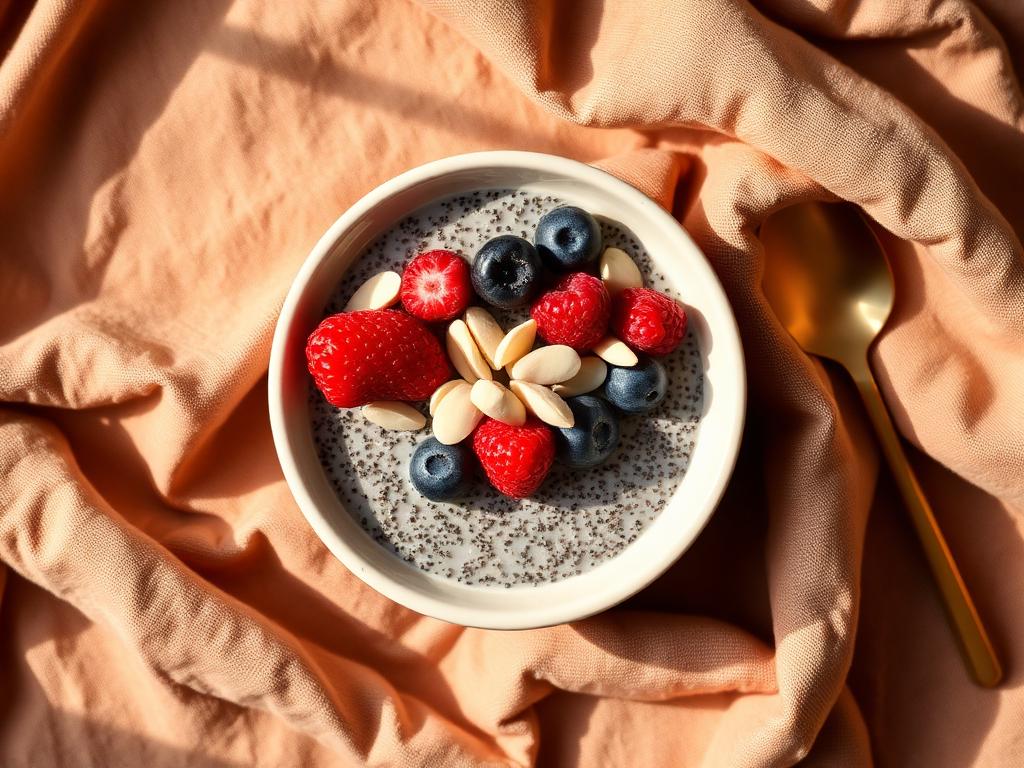
Morning
Chia pudding with berries and almonds
5 min · 470 kcal · 30g protein
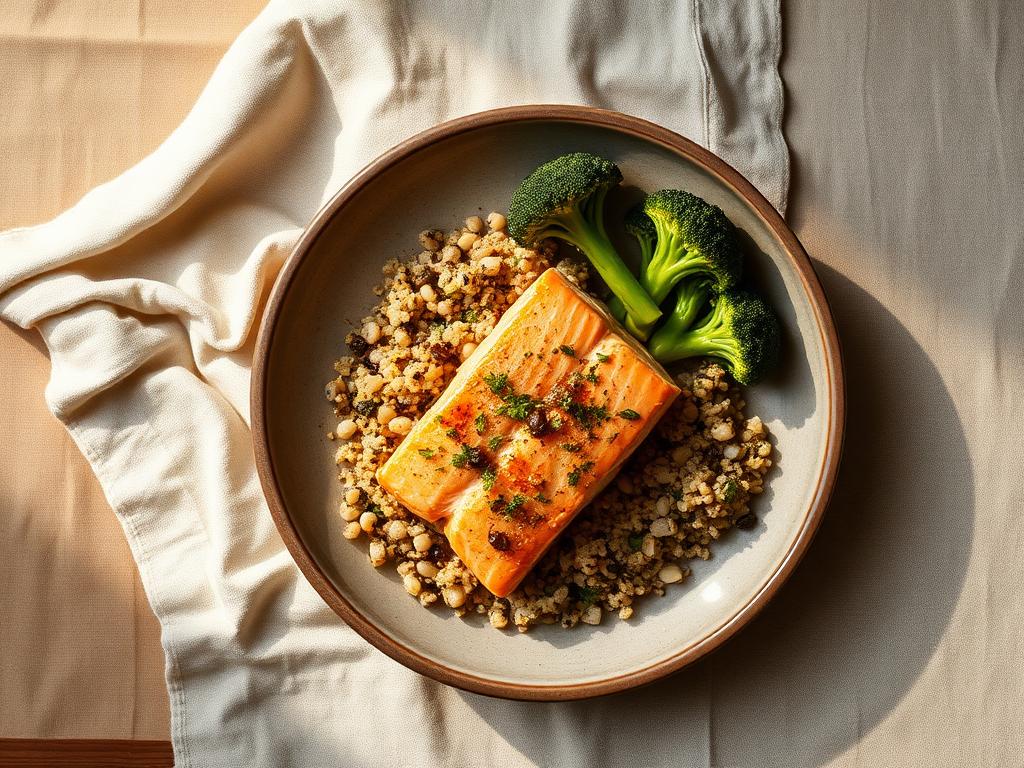
Midday
Salmon and quinoa with roasted broccoli
25 min · 640 kcal · 45g protein
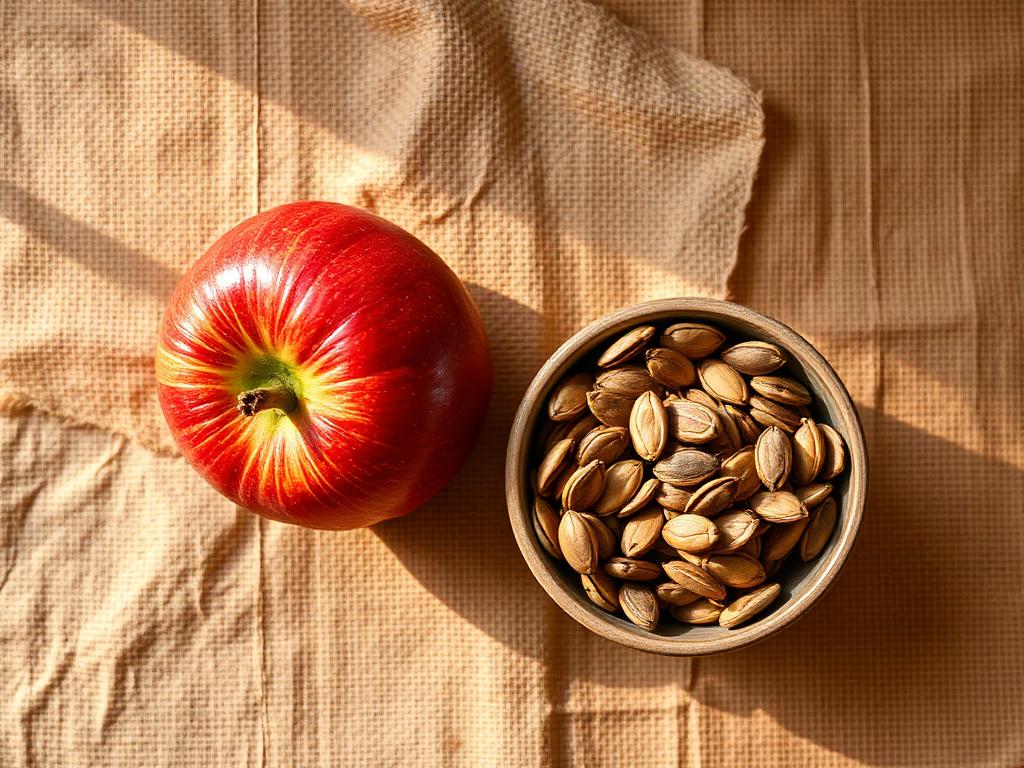
Snack
Pumpkin seeds with an apple
1 min · 290 kcal · 11g protein
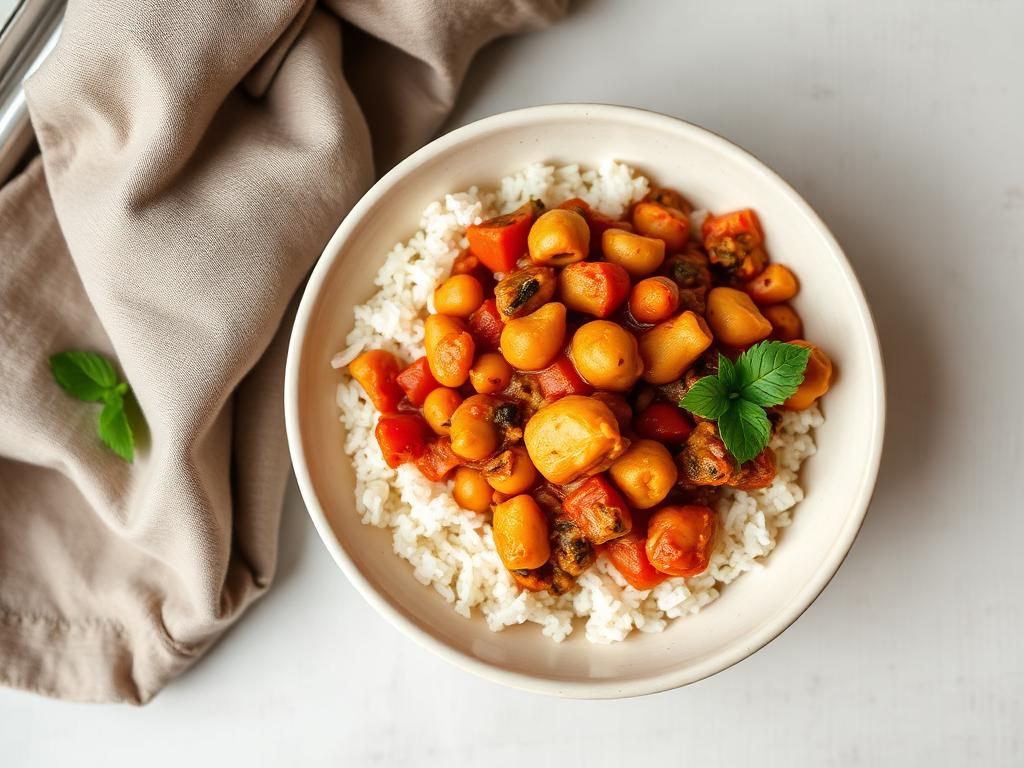
Evening
Chickpea and cauliflower tagine with rice
28 min · 660 kcal · 28g protein
These are real plates from the guide. Add it at checkout for $30 and portions scale to your macros inside the member meal guide, the recipes stay the same.
Coaching standards & safety
- If you have pain with intercourse, urinary retention or a diagnosed prolapse, see a pelvic health physio alongside this program
- Never train through sharp pain
- Down-training is not optional, a tight floor is a weak floor
Roots, common questions
How long is the Roots program?
Roots runs 8 weeks, structured as Coordinate (Weeks 1 to 3), Integrate (Weeks 4 to 6), Resilience (Weeks 7 to 8). You train 4 short sessions / week · 15 to 25 min.
Who is Roots for?
Any woman with leaking, heaviness, pain or no confidence in her core. A pelvic floor that works, not just one that squeezes.
What equipment do I need for Roots?
Mat, small ball or pillow, resistance band. Every movement has a listed regression or alternative, so you are never stuck choosing between pain and quitting.
Is a meal guide included with Roots?
Roots is training only. The Roots Guide is an optional add on for $30 at checkout, built from the same intake. Calm the gut, calm the floor. Constipation and bloating are pelvic floor problems disguised as digestion problems. 1:1 remote coaching always includes it.
Is Roots safe for me?
If you have pain with intercourse, urinary retention or a diagnosed prolapse, see a pelvic health physio alongside this program Never train through sharp pain Down-training is not optional, a tight floor is a weak floor
How do I get Roots after buying?
You create your member account, complete a short intake, and your tailored week by week plan and macro targets appear in your portal immediately.
Explore the rest of the series
Free challenge
Free 5-Day Strong Start Challenge
Five days. One 20 to 30 minute workout and one mindset lesson each morning, straight to your inbox. Dumbbells or nothing at all, home or gym. Day one lands the moment you sign up.